SnowGeek Solutions logoSnowGeek
Solutions

Use cases

Make the platform useful where the work happens.

ServiceNow is at its best when it clears a real bottleneck. Explore the practical outcomes we help teams build across operations, employee service, governance, and the work beyond the office.

Book a free ServiceNow consultation →

01

ITSM

One front door for every service request.

Consultant arranging a connected service workflow in a modern operations workspace

The problem

Employees are not sure where to ask for help, while service teams work across disconnected inboxes, spreadsheets, and ticket queues.

What we implement

We consolidate the service desk, incident, request, knowledge, and catalog experiences around clear ownership and practical workflows.

The outcome

People get help faster, teams spend less time routing work, and leaders can see where service is improving.

02

ITOM

A clearer view of what keeps the business running.

Connected workflow materials in a modern enterprise operations workspace

The problem

Hybrid infrastructure changes quickly, but separate inventories, inconsistent CI records, and limited service relationships make it difficult to see what is running and assess operational impact.

What we implement

A ServiceNow ITOM pattern combines Discovery and MID Server architecture across approved network zones and cloud accounts, credentialed probes or cloud APIs, CMDB identification and reconciliation, CSDM-aligned relationships, and a governed path to Service Mapping and Event Management.

The outcome

Operations teams can work from more consistent infrastructure records, relate changes and incidents to affected services, and build toward more proactive event response.

03

ITAM

Know what you own, use, and pay for.

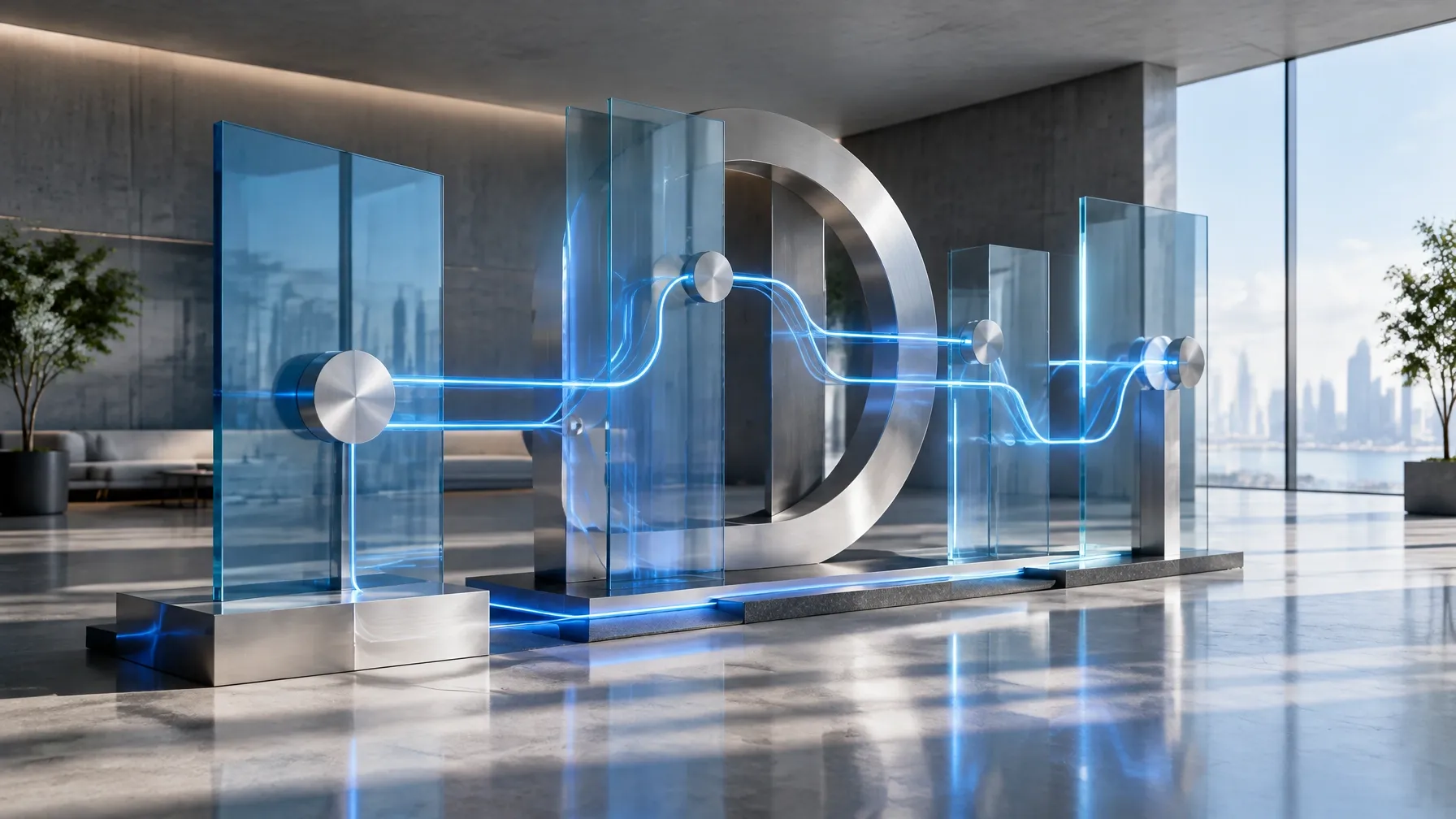
Quiet glass architecture representing clear systems and dependable visibility

The problem

Hardware and software records are incomplete or spread across systems, making renewals, audits, and lifecycle decisions harder than they need to be.

What we implement

We establish asset tracking, software entitlement, lifecycle, and licence management workflows that give teams one dependable source of truth.

The outcome

The organization reduces avoidable licence spend, stays ready for audits, and makes better decisions about refresh and retirement.

04

ITBM

Make the portfolio reflect the work that matters.

Modern glass corridor with layered planes and soft blue light

The problem

Demand arrives from everywhere, but project priorities, capacity, cost, and value are difficult to compare in one place.

What we implement

We shape demand intake, project delivery, resource planning, and portfolio reporting around the decisions leaders actually need to make.

The outcome

Teams choose with more confidence, focus investment on the right work, and make progress visible from idea to delivery.

05

HRSD

Make employee service feel joined up.

Consulting team in a candid conversation around a table

The problem

Employees navigate separate HR inboxes and forms, while HR teams repeat manual steps across onboarding, transfers, and offboarding.

What we implement

We create an employee service centre with guided requests, case management, knowledge, and connected lifecycle workflows.

The outcome

New starters get productive sooner, employees know where to go, and HR teams spend more time on people than process chasing.

06

GRC

Turn compliance work into a repeatable rhythm.

Quiet modern glass architecture with cool blue reflections

The problem

Risk registers, policies, controls, and evidence live in separate tools, making accountability and audit preparation too manual.

What we implement

We connect risk, policy, compliance, control testing, issues, and evidence workflows into a governed operating model.

The outcome

Owners know what is due, leaders see risk more clearly, and the organization stays closer to audit-ready every day.

07

FSM

Put the right work with the right person.

Consultants collaborating around a table in a contemporary workspace

The problem

Field work is scheduled manually, technicians lack context, and updates arrive late from the job site.

What we implement

We configure scheduling, dispatch, skills and territory logic, mobile work orders, and the workflows that connect field teams to the back office.

The outcome

Dispatchers see the day clearly, technicians arrive prepared, and customers get a more dependable service experience.

08

Mobile

Keep approvals and tasks moving outside the office.

Hands arranging neutral workflow tiles in a modern operations workspace

The problem

Important decisions wait because managers and frontline teams are away from a laptop when work needs their attention.

What we implement

We tailor the ServiceNow mobile app around the approvals, tasks, notifications, and information people need on the go.

The outcome

Work keeps moving wherever people are, with fewer delays and a simpler experience for the teams doing the work.

09

Healthcare CSM

Connect patient support with secure case workflows.

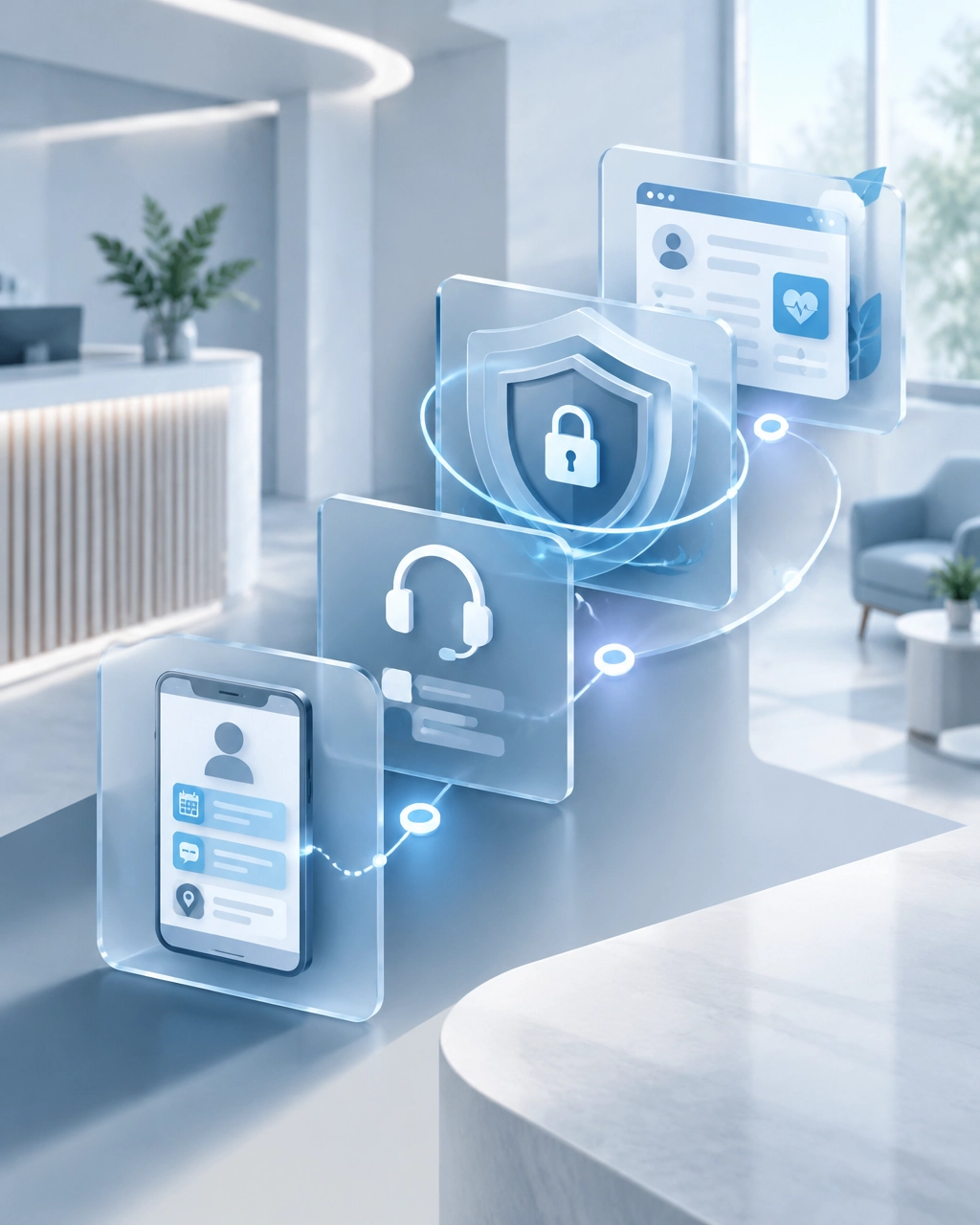
Abstract healthcare support journey with secure, connected digital service layers

The problem

Healthcare support teams need to handle patient and medical-device inquiries accurately while protecting sensitive information and maintaining a clear audit trail.

What we implement

A ServiceNow CSM pattern can bring case intake, knowledge, secure document handling, patient or family updates, and controlled routing into one service workflow. Privacy controls, identity checks, retention, and regulatory obligations must be validated for each organization before design.

The outcome

Patients and care teams get a clearer route for support, while service owners gain more consistent case visibility and governance.

10

Public Sector

Create a governed digital foundation across departments.

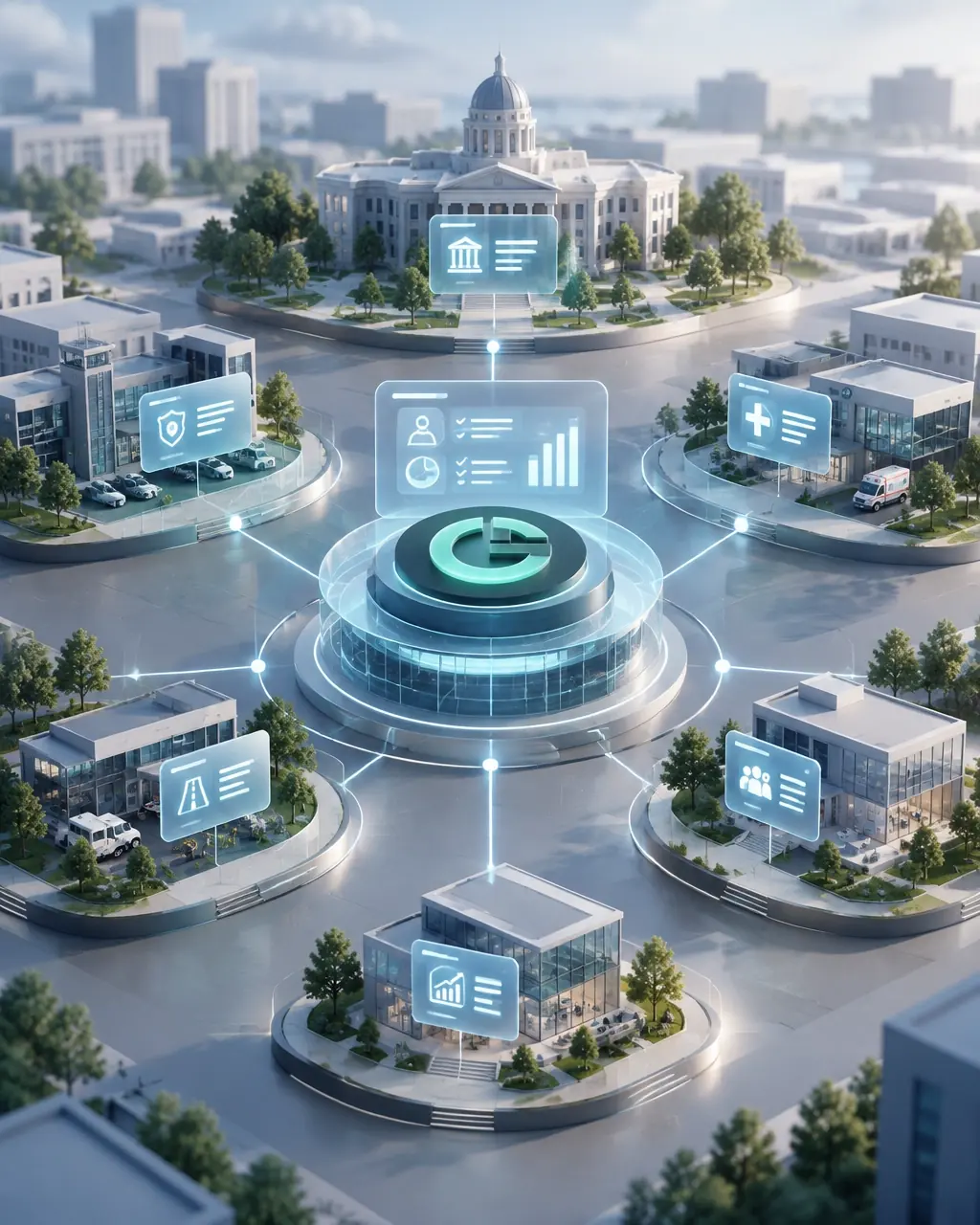
Civic departments connected through a unified digital operations model

The problem

Public-sector IT teams may run disconnected incident, change, request, asset, and infrastructure processes, limiting service visibility and making cross-department governance difficult.

What we implement

A phased ServiceNow approach can standardize core ITSM workflows, then strengthen CMDB and asset governance with Discovery, lifecycle controls, integrations, role-based ownership, and leadership reporting.

The outcome

Departments gain a more consistent service operating model, clearer asset and configuration context, and a scalable foundation for future modernization.

11

SAM

Make software entitlements and usage easier to govern.

Layered glass architecture representing governed software asset data

The problem

When software installations, entitlements, renewals, and ownership are tracked across separate tools, teams can struggle to prepare audits and make confident procurement decisions.

What we implement

ServiceNow SAM can connect normalized software discovery to entitlement reconciliation, approval and lifecycle workflows, reclamation policies, audit reporting, and integrations with CMDB and procurement data.

The outcome

Leaders get a more dependable view of software estate, compliance posture, and opportunities to improve allocation before renewing or buying.

12

Agent Assist

Give live agents useful guidance without taking the conversation away.

A customer service professional reviewing contextual AI suggestions while retaining control of the conversation

The problem

During live chats, agents may need to search several knowledge sources and systems for the right context, slowing responses and making service quality harder to keep consistent.

What we implement

An agent-assist pattern can surface relevant knowledge, summarize context, and suggest response options alongside the live interaction. The human agent reviews and controls the final reply; access, grounding, and escalation rules are defined before rollout.

The outcome

Agents can find relevant guidance more quickly while remaining accountable for what they send to customers.

13

WSD

Make workplace services easier to request and manage.

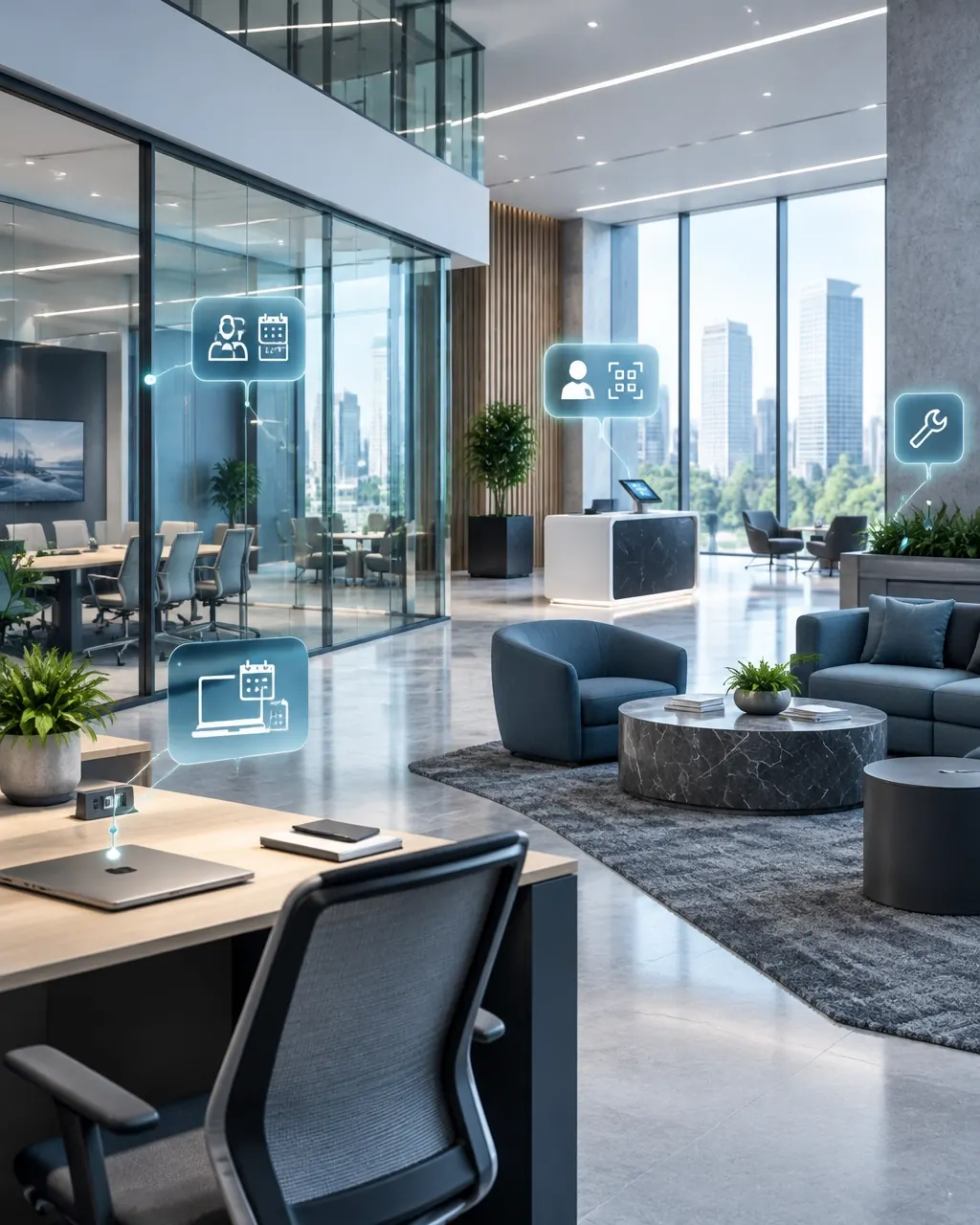
Modern workplace with connected digital services for employees and facilities teams

The problem

Employees may need to use disconnected tools for workplace requests, desk and room bookings, visitor arrival, and facilities issues. Facilities teams can lack a shared view of demand, ownership, and service status across offices.

What we implement

A ServiceNow Workplace Service Delivery implementation can bring workplace service requests and cases into a consistent employee-facing experience, connect facilities teams to request and work data, and, where licensed and in scope, configure workplace reservations and visitor management. Delivery includes requirements and location modeling, service catalog and workflow design, roles and approvals, integrations, notifications, reporting, testing, and change enablement.

The outcome

Employees have a clearer route to workplace support, while facilities teams gain more consistent request visibility and a foundation for coordinating workplace services across locations.

14

Custom Applications

Build the workflow that makes your business different.

Enterprise consultants shaping a practical workflow together

The problem

A critical process falls between systems or relies on workarounds because no standard tool quite fits it.

What we implement

We design and develop a bespoke workflow application on the Now Platform, with the right data, roles, integrations, and experience built in.

The outcome

Teams replace fragile workarounds with a maintainable process that can evolve as the business does.

Industries we serve

Start with the operational reality, then choose the module.

The useful question is not just which sector you are in. It is where work gets stuck, who owns it, and what ServiceNow can make clearer.

Retail

Distributed stores create high ticket volume, repeatable employee requests, and field work that needs clear ownership.

ITSM, HRSD, FSM, and ITOM

Banking and financial services

Audit and compliance pressure sits alongside customer-facing service expectations and tightly controlled change.

GRC, ITSM, ITOM, and CSM

Insurance

Claims, policy, and back-office teams need joined-up case work, dependable records, and a clear control trail.

CSM, ITSM, GRC, and custom applications

Manufacturing

Plants, suppliers, and corporate teams depend on reliable services, asset visibility, and fast response when operations are disrupted.

ITSM, ITOM, ITAM, and FSM

Construction

Projects, sites, subcontractors, and mobile teams make it difficult to keep requests, assets, and approvals moving together.

FSM, ITSM, HRSD, and custom applications

Public sector

Shared services must balance accountability, constrained resources, policy, and transparent service delivery.

ITSM, HRSD, GRC, and CSM

Government

Legacy systems and complex ownership create slow handoffs across departments, services, and compliance work.

ITSM, ITOM, GRC, and integrations

Local bodies

Resident requests, field crews, facilities, and internal teams need one clearer way to coordinate work.

CSM, FSM, ITSM, and Mobile

Not sure which path fits? Bring us the bottleneck and we’ll help shape the conversation.

Book a free ServiceNow consultation →

Common questions

ServiceNow use cases, explained.

What is a ServiceNow use case?

A ServiceNow use case describes an operational problem and how Now Platform capabilities such as ITSM, ITOM, ITAM, or CSM can support a governed workflow to address it.

What can a ServiceNow ITOM implementation include?

Depending on scope and licensing, ITOM can include Discovery, MID Servers, CMDB identification and reconciliation, service mapping, event management, integrations, and operating governance.

How can ServiceNow SAM support software asset management?

ServiceNow Software Asset Management can connect normalized software discovery with entitlement reconciliation, lifecycle workflows, reclaim policies, compliance reporting, and procurement data.

What can a ServiceNow Workplace Service Delivery implementation include?

Depending on licensed applications and scope, Workplace Service Delivery may include workplace case management and employee service requests, workplace reservations, visitor management, location and workplace data, integrations, roles, notifications, reporting, and service workflows for facilities teams.

Are these named SnowGeek client case studies?

No. These are illustrative use-case patterns to explain possible ServiceNow approaches. They are not claims of delivery or outcomes for named SnowGeek clients.

Modern glass corridor architecture with soft blue light

Find your next useful move

Bring us the bottleneck. We’ll help shape the way through.

Book a free ServiceNow consultation →
Book a free ServiceNow consultation